
Family Corner
Pinned to the fridge.
Hours, meals, forms, events, and the people to call. Everything we would send home on paper, kept here where you can always find it.


Our four classrooms, from six weeks to five years.
What's on the board
The three things parents ask for first.
Hours
Monday to Friday, 6:30 AM to 6:00 PM.
Flexible drop-off and pick-up built for working parents. Call the office if you need to talk through a schedule.
Forms
Paperwork, without the runaround.
Enrollment packet, family handbook, tuition sheet and medication form. Ask the office and we will send you the exact document you need.
Dates
Family nights and closures.
We post family nights, closures and deadlines here as they are scheduled. Nothing scheduled right now, so call us before you plan around a date.
From the classroom
What the week actually looked like.
Notes from our classrooms, written the week they happened. This is the same feed families follow on Instagram, kept here so it does not disappear.
October 30, 2026
Spirit Week, in five days
Socks on Monday, pajamas on Tuesday, every color we could find on Wednesday, flannel on Thursday, and a whole cast of characters on Friday. Twelve characters walked into one toddler room and not one of them was the same kid twice.
See the reelNovember 9, 2026
Discovery Night
Families in the room. Glue sticks out. Paper leaves turning into something only a four-year-old could explain. Thank you to every parent, grandparent, and little learner who spent the evening with us.
See the reelOctober 31, 2026
The morning the fire crew came through
433 on the helmet. A thumbs up for a kid dressed as Snow White. The whole school lined up by the windows. Spirit Week is not the program. It is one week of what the program feels like.
See the reelOctober 15, 2026
Family lunch, once a month
Once a month we set tables in the classroom and invite families to eat lunch with their children. The same food your child eats every day. Real plates. Real vegetables.
See the postA day at MARS
Same room every day. Different person every week.
Arrival
A handshake, a high five, or a wave.
Every morning starts the same way. Whatever your child is ready for that day is what they get.
Meals
Real plates. Real vegetables.
Once a month we set tables in the classroom and invite families to eat lunch with their children. The same food your child eats every day.
Rest
Sleep is where the day gets filed.
The morning block building, the new word, the argument over the truck. Nap is not downtime. It is where the learning gets stored.
Outside
Seattle rain is not a reason to stay in.
Boots, coats, puddles, cold air. Send them dressed for the weather and we will take them out in it.
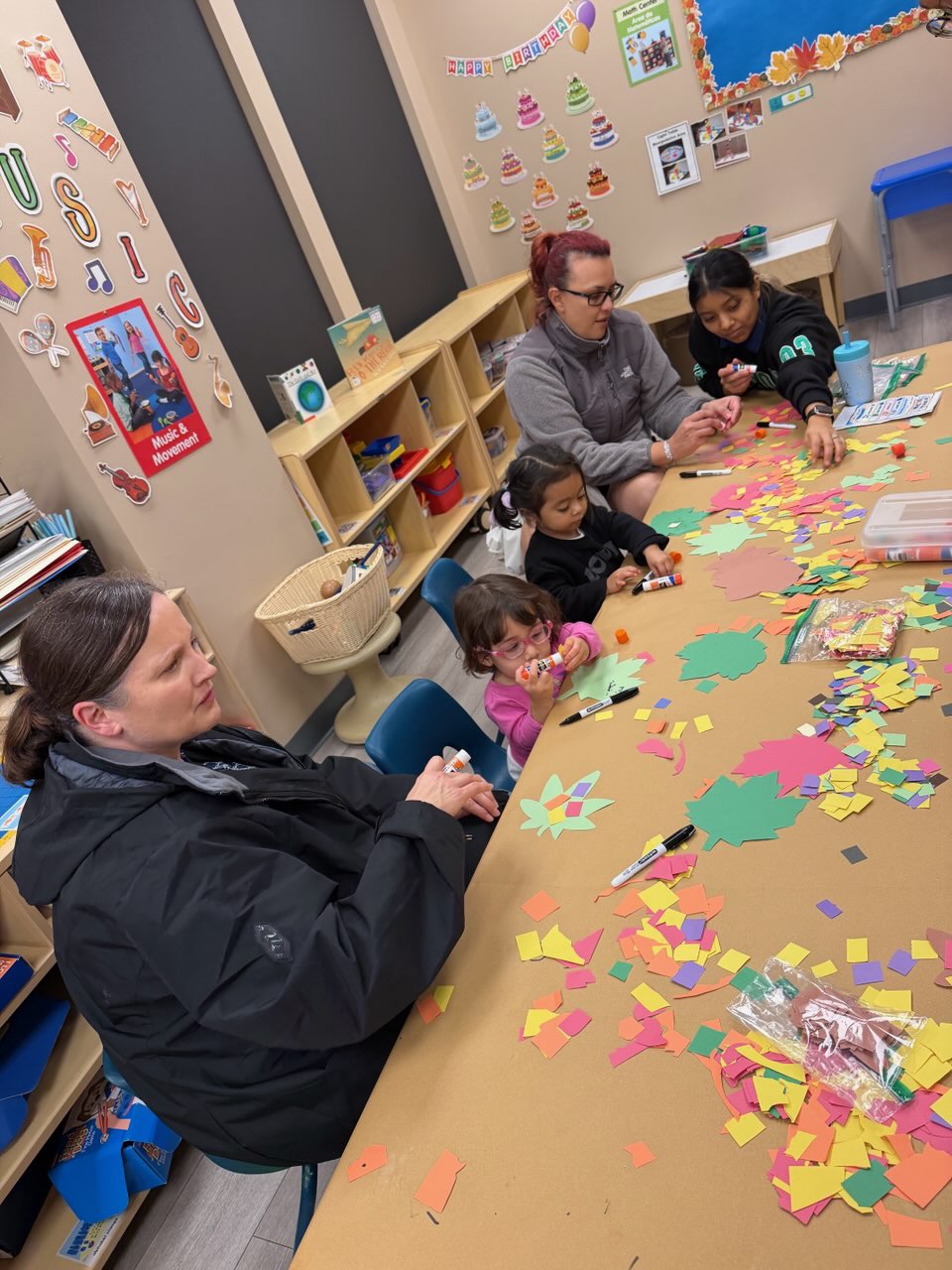
Illustration of a MARS classroom
Four rooms, one hallway
Little Explorers to Planet Rangers.
Infants from six weeks, waddlers, toddlers, and preschool through pre-K. Each room has its own name, its own teachers, and its own way of doing the day.
Small things that help
Three things to try at home this week.
No homework. No worksheets. Just the small moves that make the biggest difference.
One question at pickup
How was your day gets you fine. Try instead: what did you build? Who did you sit with? What made you laugh?
Twenty seconds
That is the whole handwashing lesson. Not the song, not the speech. Twenty seconds of soap and water, and they will do it without you by kindergarten.
Read it again
A two-year-old who has been read to every day arrives at preschool with a vocabulary twice the size of a child who has not. The same book, over and over, is the point.
Family nights
The whole family is invited.
Bingo nights, family lunch once a month, Discovery Night, and whatever the teachers dream up next. Parents, grandparents, and little learners all belong in the room.
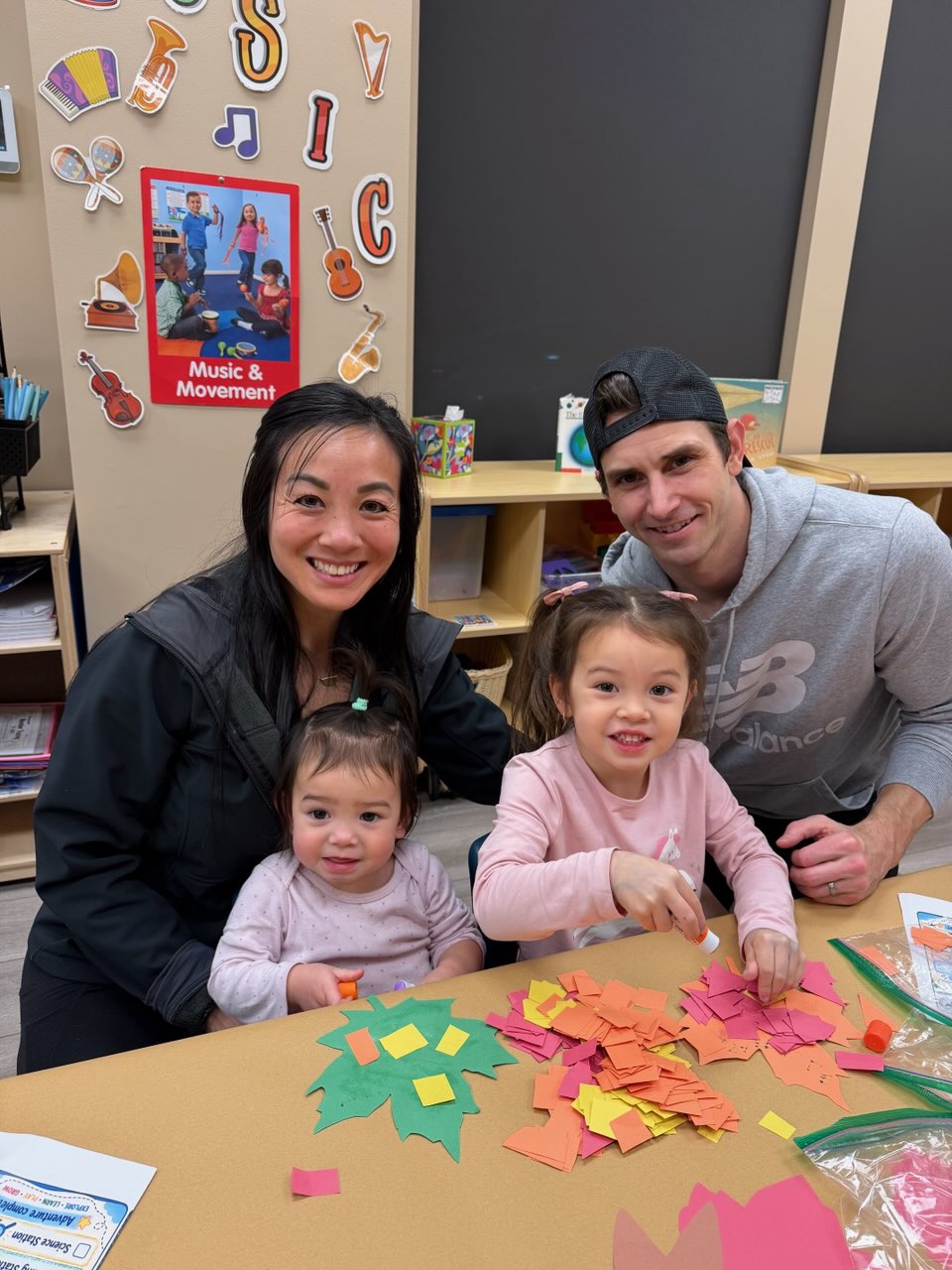
Discovery Night in a MARS classroom
Discovery Night
The whole family showed up.
Real families, real glue sticks, real paper leaves. These are photographs from our Discovery Night, not illustrations.
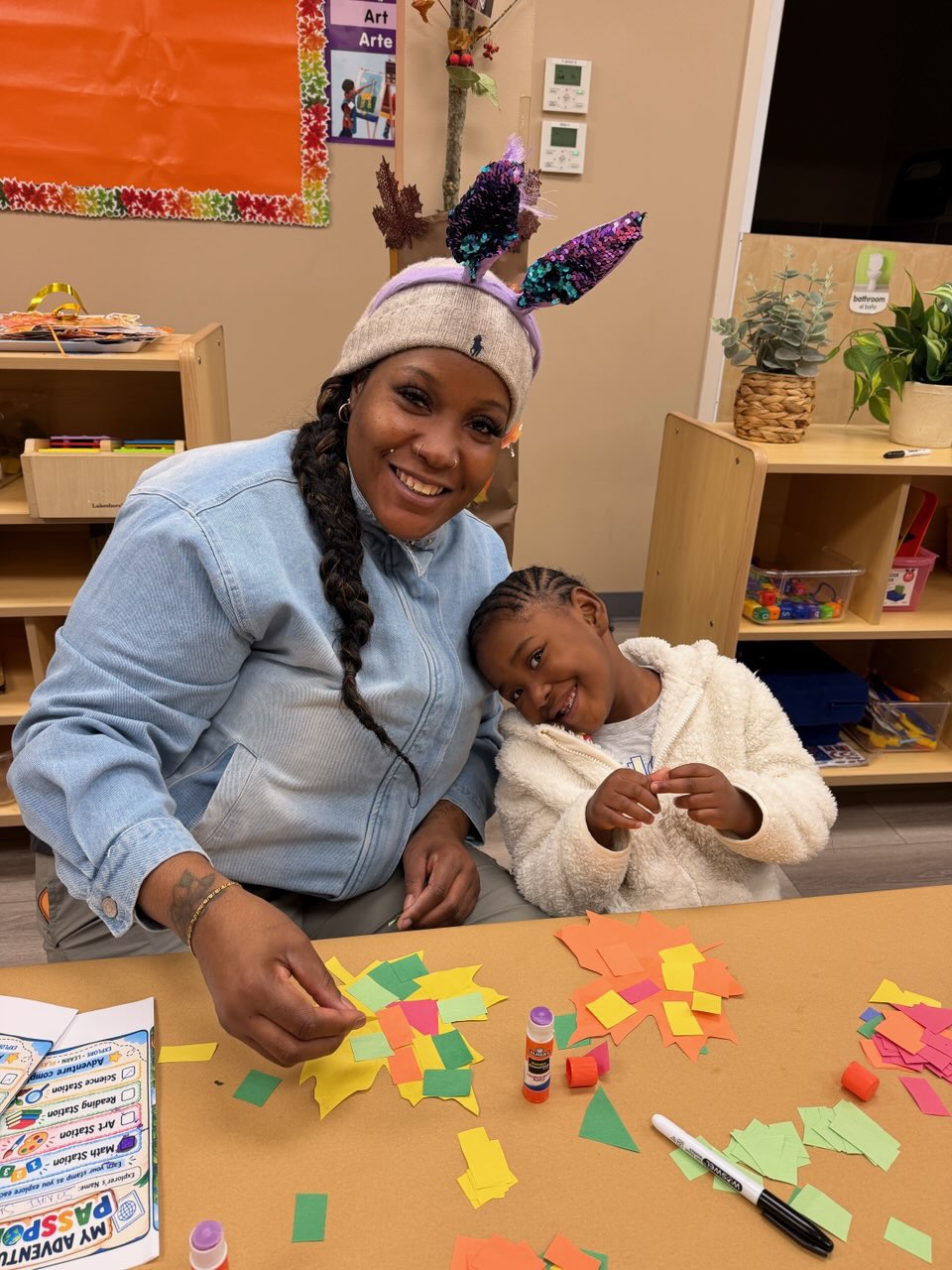
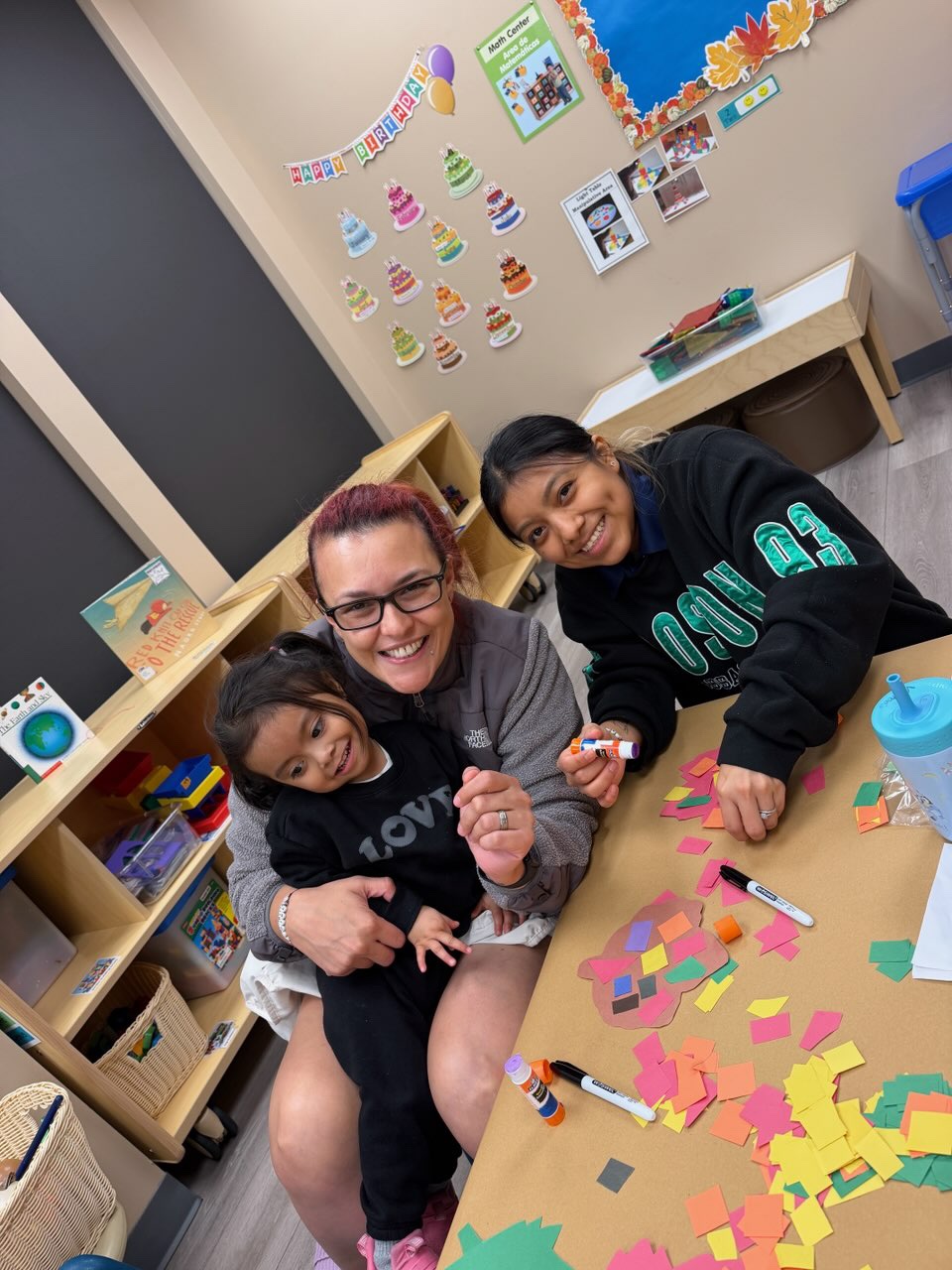
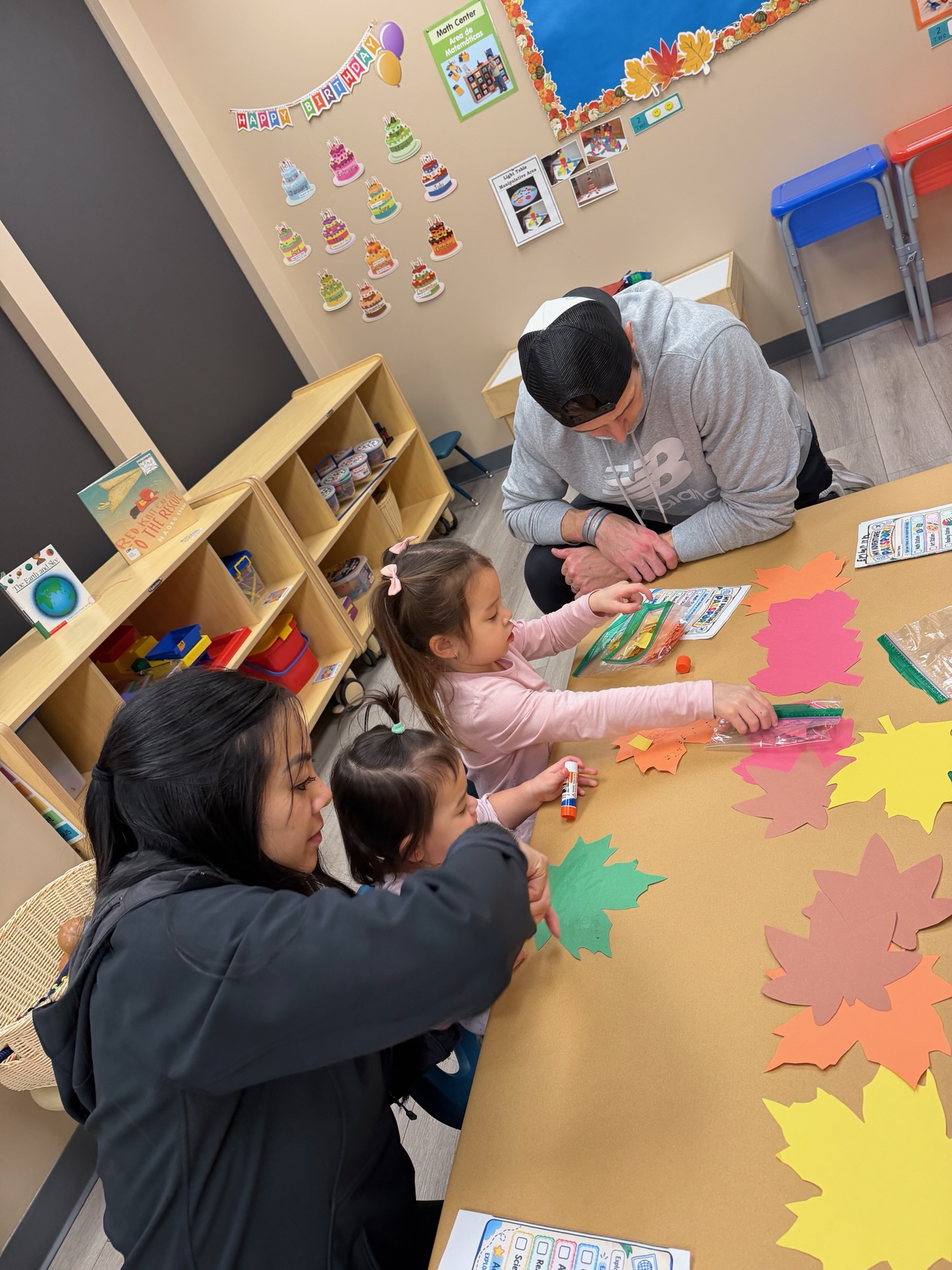

Swipe to see more
Questions families ask
Straight answers, not brochures.
What is the enrollment process?
To enroll your child at Mars Early Learning Academy, please visit our website and fill out the enrollment form. Our staff will then contact you to schedule a tour and discuss further details.
What are the tuition fees?
Tuition fees at Mars Early Learning Academy vary depending on the age of the child and the program chosen. Please contact us for more information about our tuition rates.
What is the curriculum?
At Mars Early Learning Academy, we follow a comprehensive curriculum that focuses on early childhood development, including language and literacy, math, science, social-emotional skills, and more. Our curriculum is designed to provide a strong foundation for future academic success.
What are the operating hours?
MARS Early Learning Academy is open Monday through Friday, from 6:30 AM to 6:00 PM.
What is your staff-to-child ratio?
We maintain a low staff-to-child ratio at Mars Early Learning Academy to ensure personalized attention and quality care. Our dedicated team of educators and caregivers are highly trained and experienced in early childhood education.
Come see it
Photos only tell you so much.
An empty classroom photographs beautifully and tells you nothing. Walk the rooms, meet the teachers, and ask the awkward questions. Tours run Saturdays at 10 am.
Contact the office
Talk to a person.
Nondiscrimination Statement
In accordance with Federal civil rights law and U.S. Department of Agriculture (USDA) civil rights regulations and policies, the USDA, its Agencies, offices, and employees, and institutions participating in or administering USDA programs are prohibited from discriminating based on race, color, national origin, sex, disability, age, or reprisal or retaliation for prior civil rights activity in any program or activity conducted or funded by USDA. Persons with disabilities who require alternative means of communication for program information (e.g. Braille, large print, audiotape, American Sign Language, etc.), should contact the Agency (State or local) where they applied for benefits. Individuals who are deaf, hard of hearing or have speech disabilities may contact USDA through the Federal Relay Service at (800) 877-8339. Additionally, program information may be made available in languages other than English. To file a program complaint of discrimination, complete the USDA Program Discrimination Complaint Form, (AD-3027) found online at: http://www.ascr.usda.gov/complaint_filing_cust.html, and at any USDA office, or write a letter addressed to USDA and provide in the letter all of the information requested in the form. To request a copy of the complaint form, call (866) 632-9992. Submit your completed form or letter to USDA by: (1) mail: U.S. Department of Agriculture Office of the Assistant Secretary for Civil Rights 1400 Independence Avenue, SW Washington, D.C. 20250-9410; (2) fax: (202) 690-7442; or (3) email: program.intake@usda.gov. This institution is an equal opportunity provider.
Nondiscrimination Statement - Spanish
De conformidad con la Ley Federal de Derechos Civiles y los reglamentos y políticas de derechos civiles del Departamento de Agricultura de los EE. UU. (USDA, por sus siglas en inglés), se prohíbe que el USDA, sus agencias, oficinas, empleados e instituciones que participan o administran programas del USDA discriminen sobre la base de raza, color, nacionalidad, sexo, discapacidad, edad, o en represalia o venganza por actividades previas de derechos civiles en algún programa o actividad realizados o financiados por el USDA. Las personas con discapacidades que necesiten medios alternativos para la comunicación de la información del programa (por ejemplo, sistema Braille, letras grandes, cintas de audio, lenguaje de señas americano, etc.), deben ponerse en contacto con la agencia (estatal o local) en la que solicitaron los beneficios. Las personas sordas, con dificultades de audición o discapacidades del habla pueden comunicarse con el USDA por medio del Federal Relay Service [Servicio Federal de Retransmisión] al (800) 877-8339. Además, la información del programa se puede proporcionar en otros idiomas. Para presentar una denuncia de discriminación, complete el Formulario de Denuncia de Discriminación del Programa del USDA, (AD-3027) que está disponible en línea en: http://www.ascr.usda.gov/complaint_filing_cust.html y en cualquier oficina del USDA, o bien escriba una carta dirigida al USDA e incluya en la carta toda la información solicitada en el formulario. Para solicitar una copia del formulario de denuncia, llame al (866) 632-9992. Haga llegar su formulario lleno o carta al USDA por: (1) correo: U.S. Department of Agriculture Office of the Assistant Secretary for Civil Rights 1400 Independence Avenue, SW Washington, D.C. 20250-9410; (2) fax: (202) 690-7442; o (3) correo electrónico: program.intake@usda.gov. Esta institución es un proveedor que ofrece igualdad de oportunidades.